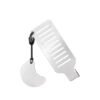

Self-defense doesn’t have to be intimidating, expensive, or complicated. Sometimes, the best tool is the one you can carry in your hand every day without drawing unwanted attention. That’s exactly why self-defense keychains have gained so much popularity — they’re accessible, discreet, and ready when you need them.
But how do you pick the right one? With so many designs and features, choosing the perfect self-defense keychain depends on your personal lifestyle, comfort level, and preparedness goals. In this guide, we break down everything you need to know to make the best choice for your safety.
Why Self-Defense Keychains Are Becoming a Must-Have Tool
Most people don’t walk around thinking about danger 24/7. But safety tools can provide peace of mind and confidence, especially for women, college students, commuters, solo travelers, and night shift workers.
Self-defense keychains check all the boxes:
- Lightweight
- Budget-friendly
- Easy to attach to your bag or keys
- Legal in most areas (depending on design)
- Non-intimidating but effective
They also provide that critical benefit of immediacy — meaning you don’t have to dig through your purse or bag during an emergency.
Types of Self-Defense Keychains
Choosing the right keychain starts with knowing what types exist and what each can do for you. Below are the most common options.
1. Kubotan Keychains
Kubotans are one of the most effective self-defense keychain tools. They are slim, often metal, and designed to apply pressure to sensitive areas.
Benefits include:
- Improves striking power
- Works with minimal training
- Durable metal construction
- Discreet, non-threatening appearance
They are highly favored by martial artists and self-defense instructors because they amplify natural reflexes without requiring strength or speed.
2. Cat-Ear Keychains
Cat-ear or animal-shaped defense keychains combine fashion with function. The “ears” become pointed striking areas, while the handle provides a solid grip.
Why users love them:
- Cute but dangerous design
- Provides stable wrist support
- Easy to hold even with small hands
- Can deliver fast impact
3. Alarm Keychains
Personal alarm keychains emit a loud siren—typically 120–140 dB—to attract attention and scare off attackers.
Great for users who prefer non-contact safety, especially:
- Teens
- Elderly individuals
- Kids walking to school
- Women jogging alone
The sound alone can interrupt an attacker’s motivation and alert others nearby.
4. Safety Whistles
Whistles are simple but powerful tools for signaling distress. They work well in:
- Crowded public spaces
- Hiking trails
- College campuses
- Travel environments
Unlike battery alarms, they never “die” or malfunction.
5. Multi-Tool Keychains
These combine multiple survival features such as:
- Taschenlampe
- Alarm
- Pfeife
- Kubotan
- Seatbelt cutter
- Bottle opener
Ideal for people who want maximum utility in one compact item.
How to Choose the Best Self-Defense Keychain for Your Needs
Not every keychain works for every person. Here are key factors to consider.
Consider Your Comfort Level
If you’ve never practiced self-defense, an impact tool might feel unfamiliar. In that case, a personal alarm oder whistle offers instant safety with zero training.
On the other hand, if you feel confident using physical tools, kubotans and cat-ear designs give better control and stopping power.
Think About Your Lifestyle
Different everyday scenarios require different conveniences.
For example:
- Night runners benefit from alarms and flashlights.
- College students need legal, discreet, noise-based tools.
- Drivers may want seatbelt cutters and window breakers.
- Travelers often prefer lightweight and TSA-safe options.
The best choice complements how you live.
Evaluate Build Quality
Cheap plastic tools may crack under impact. Look for:
- Metal alloys
- Steel bodies
- Durable coatings
- Solid grips
If a self-defense tool fails when you need it, it stops being a tool and becomes decoration.
Check Legality in Your Area
Self-defense laws vary by state and country. Noise-based tools are universally legal, while pointed impact tools may not be. Always check local regulations to stay compliant.
Look for Quick Accessibility
A self-defense tool must be accessible to be useful. Tools buried deep in a bag can delay reaction time.
Best accessibility methods:
- Key rings
- Carabiners
- Wrist loops
- Belt clips
Why Many People Choose Self-Defense Keychain Sets
Instead of choosing just one tool, many buyers prefer sets because they offer:
- Multiple protection options
- Layered defense strategies
- Better value for the price
Sets often combine alarms, kubotans, safety whistles, and fashion accessories in one compact kit.
If you’re exploring different styles and models, you can browse a wide selection of self-defense keychains here:
👉 https://www.ringsknife.com/product-category/self-defense-keychains/
The variety makes it easier to match the right tool with your personal preferences and budget.
How to Use Self-Defense Keychains Effectively
Once you choose your keychain, learning proper usage is crucial.
Below are quick pointers based on category.
Using Impact Tools (Kubotan & Cat-Ear)
Target areas with high sensitivity such as:
- Rib cage
- Nase
- Collarbone
- Hände
- Thighs
- Shins
Short, fast strikes create maximum interruption, giving you time to escape.
Using Noise Tools (Whistles & Alarms)
Trigger or blow immediately when you feel threatened — not after an attack begins. Early activation increases bystander awareness and can deter stalkers or harassers.
Using Multi-Tools
Familiarize yourself with:
- Flashlight ON/OFF positions
- Alarm pull pins or buttons
- Sharp edges (if included)
- Grip placement
Practice for 30 seconds helps reduce panic freezes during emergencies.
Training vs. No Training: What You Really Need to Know
Good news: you don’t need martial arts experience to use most self-defense keychains.
Tools like alarms, whistles, and flashlights require no training at all. Impact tools benefit from brief practice sessions, which you can easily do at home.
Even 5 minutes of practicing grip and stance can boost confidence.
The Psychology Behind Carrying Self-Defense Tools
Self-defense isn’t just physical — it’s psychological. Simply carrying a tool can:
- Increase situational awareness
- Boost confidence when alone
- Encourage proactive safety habits
Attackers typically target distracted or unprepared individuals. Confidence and alertness alone reduce risk.
Choosing a Keychain That Matches Your Personality
Safety accessories don’t have to be dull or tactical. Today’s designs come in:
- Cute
- Feminine
- Minimalist
- Edgy
- Sporty
- Tactical
- Luxury aesthetics
This matters because if you like how it looks, you’ll keep it with you — and the best tool is the one you carry.
Abschließende Überlegungen
Self-defense keychains empower everyday people to take safety into their own hands. With diverse designs ranging from alarms to kubotans to multi-functional survival tools, there’s an option for every comfort level and lifestyle. The key is choosing a tool that feels natural to carry and easy to use—because preparedness shouldn’t feel like a burden.
If you’re looking for high-quality self-defense tools, you can explore many styles and kits right here:
👉 https://www.ringsknife.com/product-category/self-defense-keychains/
Safety isn’t about living in fear — it’s about giving yourself peace of mind so you can live freely.
 German
  English
  Spanish
  French