
In today’s hyper-connected world, it’s not unusual to feel like you’re always being watched. It might feel like scammers know everything about you: your full name, your social media profiles, and even where you’ve been shopping. It’s a terrifying reality, and the more you think about it, the more questions arise. How do they know so much? Are we really as anonymous as we think we are?
The truth is, scammers have many ways of getting their hands on your personal information, and believe it or not, you may be making it easier for them. You might not realize it, but certain habits and online behaviors are giving scammers the edge they need to manipulate you. Let’s explore how these cybercriminals get their information and, more importantly, what you can do to stop them.
The Simple Mistakes That Are Giving Away Your Info
1. Sharing Too Much on Social Media
Social media platforms like Facebook, Instagram, and Twitter are the perfect places for scammers to gather personal data. Most people don’t realize that when they share their birthdays, vacations, job titles, or even their pet’s name, they’re making it easier for scammers to craft convincing phishing scams.
Scammers can use the details from your posts to send you fake emails, messages, or even phone calls that look like they come from someone you know or a company you trust. Ever noticed those ‘Friend of a Friend’ connection requests? That’s one of the ways scammers gain access to your information.
2. Using the Same Password for Everything
If you’re guilty of using the same password for multiple accounts, it’s time to change that habit. Scammers know that many people reuse passwords, especially for their social media, email, or shopping accounts. Once they gain access to one account, they’ll try the same password on others. If you’ve used the same password for your online shopping account, email, and social media, it’s like giving them the keys to your entire online life.
Using a password manager to create and store unique passwords for each account is an easy fix for this issue.
3. Filling Out Too Many Forms Online
Every time you enter your personal information into an online form, you’re opening a door for scammers. Think about it: How many times have you filled out surveys, entered giveaways, or subscribed to newsletters just to get a “free” reward? These are prime opportunities for scammers to harvest your data.
While not all forms are malicious, it’s crucial to check the legitimacy of the site before you enter any sensitive information. Scammers often disguise malicious sites as legitimate ones to collect everything from your email address to credit card information.
4. Not Paying Attention to Website Security
Have you ever bought something online and not noticed whether the website was secure? Websites that lack the “HTTPS” prefix or a security certificate are big red flags. Scammers set up fake websites designed to trick you into entering your personal information. One wrong move and your credit card details, home address, and other sensitive data could end up in the wrong hands.
Always check for that padlock symbol next to the website’s URL, and make sure you’re shopping on trusted sites. If you haven’t already, make it a habit to shop with websites you’ve heard of, or better yet, sites that offer products you know well, like RingsKnife—a trusted source for high-quality self-defense weapons and keychains.
5. Overlooking the Dangers of Public Wi-Fi
Public Wi-Fi is a convenient tool, but it’s also a hacker’s playground. Scammers can set up fake public Wi-Fi networks and then watch your every move. If you’re entering sensitive data (like banking details) over public Wi-Fi, you’re essentially handing scammers a key to your personal info.
It’s best to avoid making financial transactions or logging into important accounts when using public Wi-Fi. If you need to use a public network, consider using a Virtual Private Network (VPN) for added security.
How to Protect Yourself from Scammers
1. Invest in Cybersecurity
Using strong passwords and securing your devices with antivirus software is your first line of defense. But beyond that, consider investing in cybersecurity products that protect your identity and personal data. This could be anything from privacy-enhancing browser extensions to full-blown identity theft protection services.
2. Use Two-Factor Authentication
Two-factor authentication (2FA) adds an extra layer of protection to your accounts. By requiring a second verification step (like a code sent to your phone), it makes it harder for scammers to gain unauthorized access.
Enable 2FA on as many accounts as possible. Your email, social media accounts, and online banking should all have 2FA enabled to give you extra peace of mind.
3. Guard Your Identity with Self-Defense Products
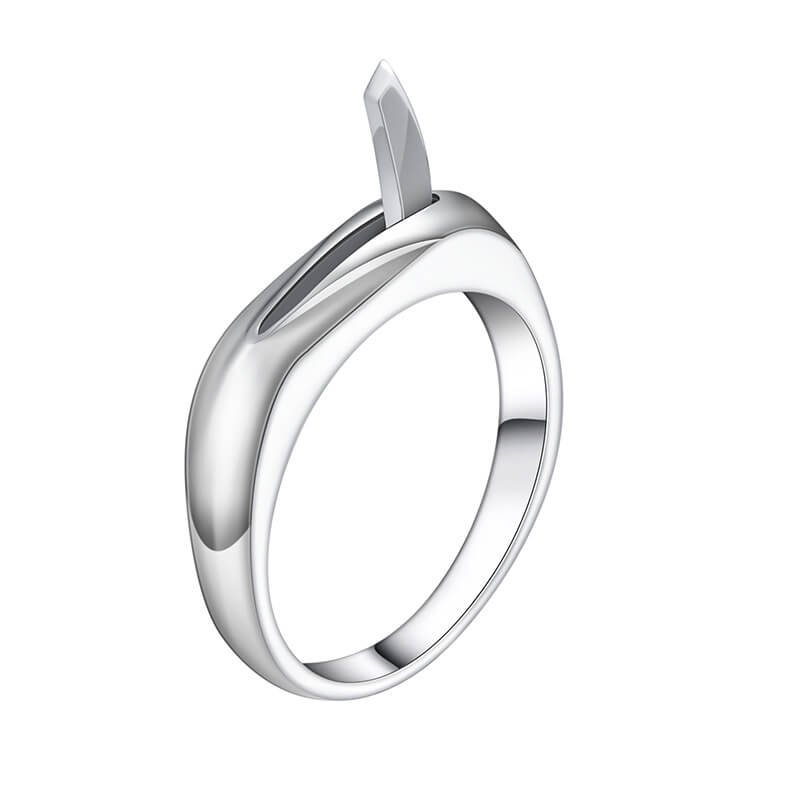
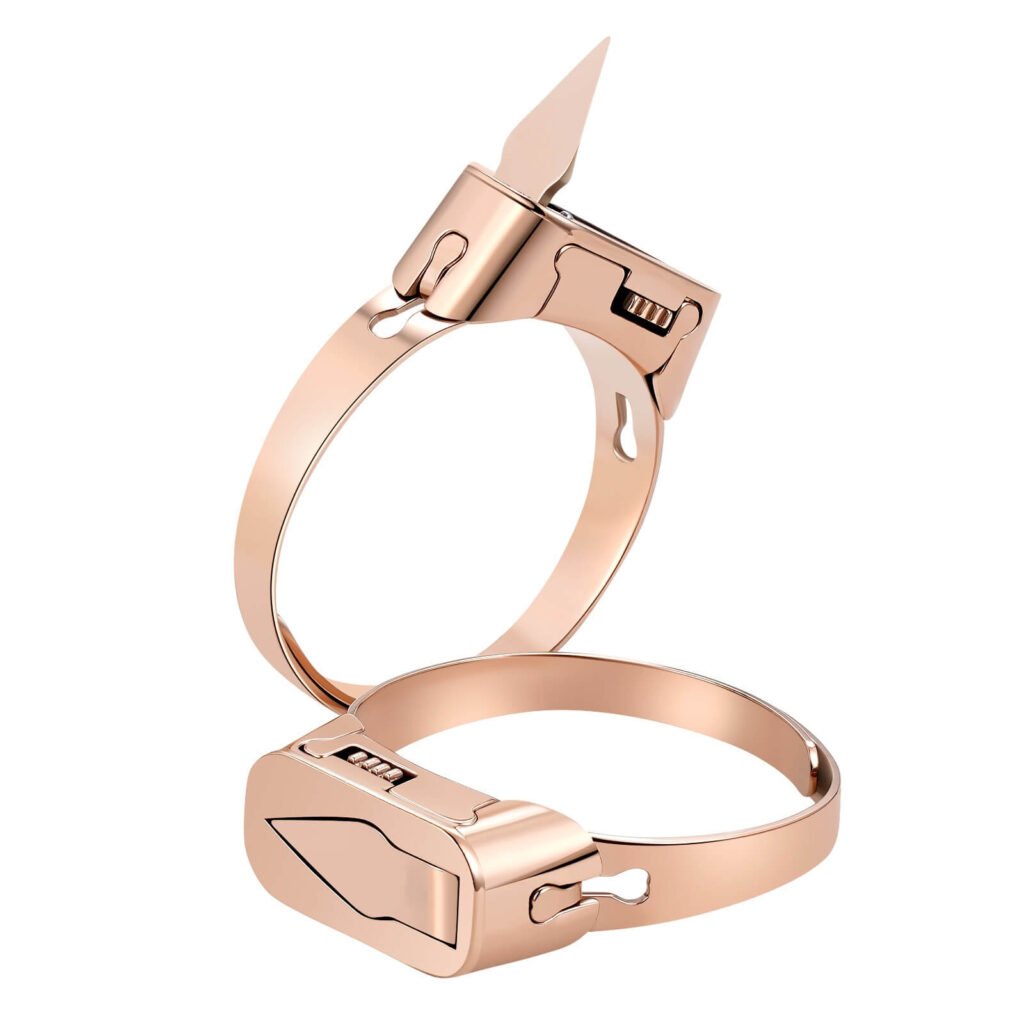
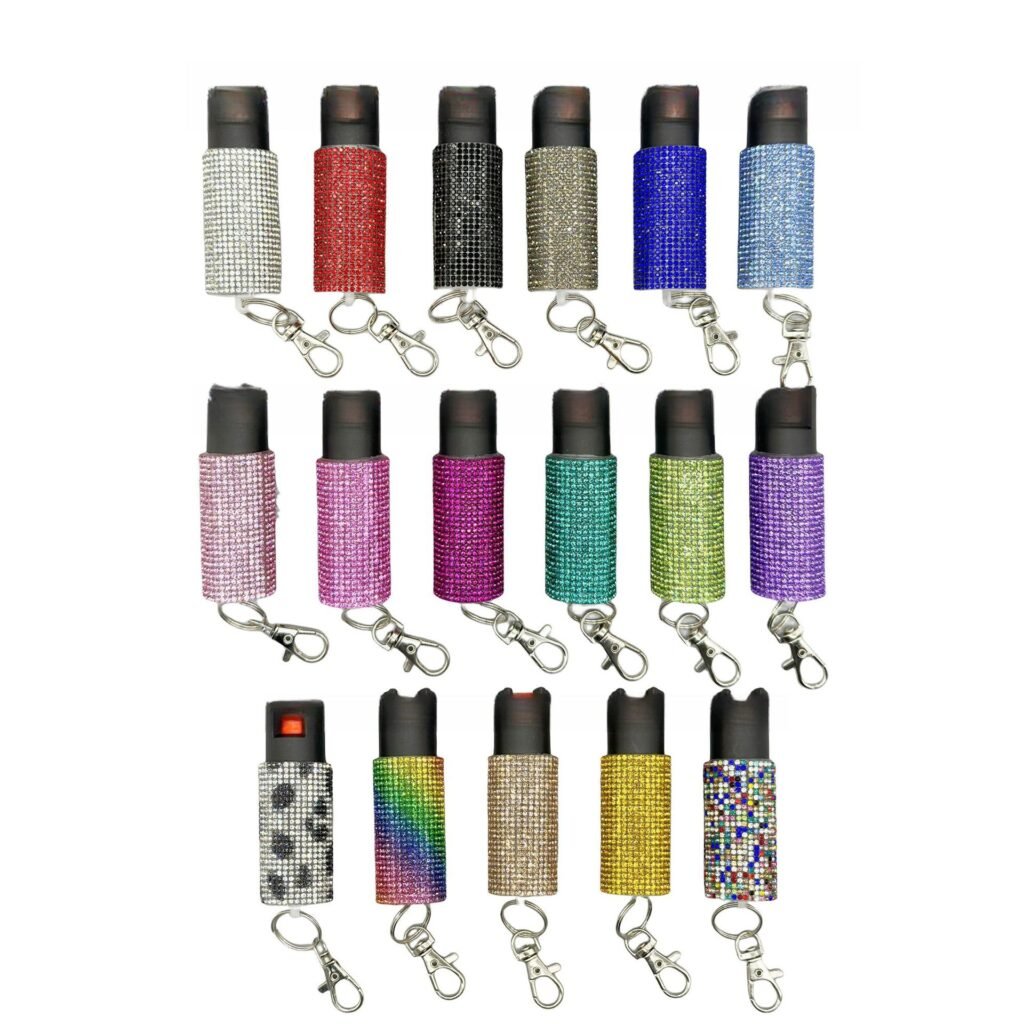
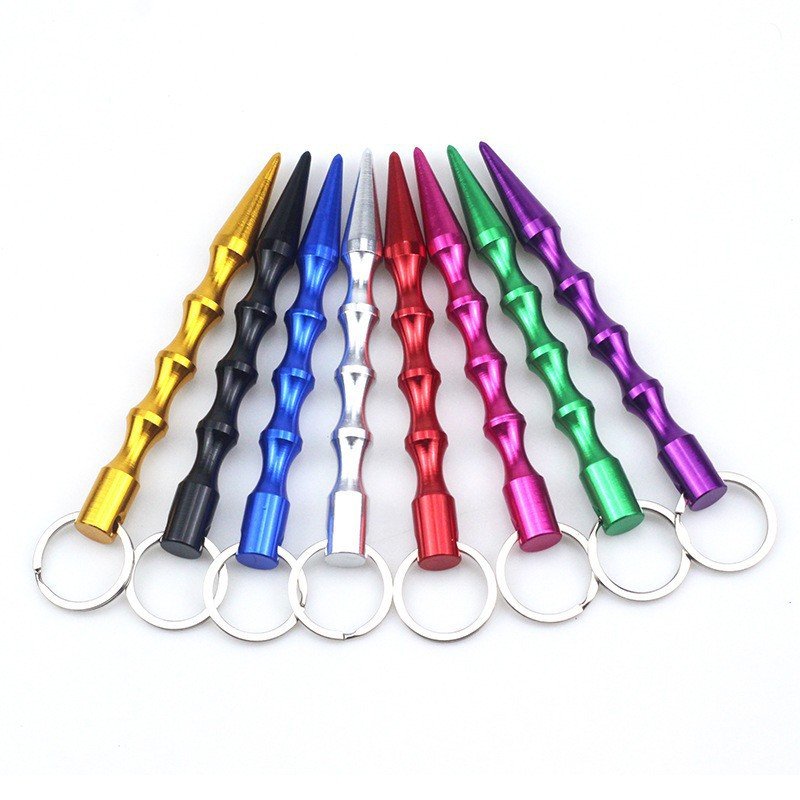
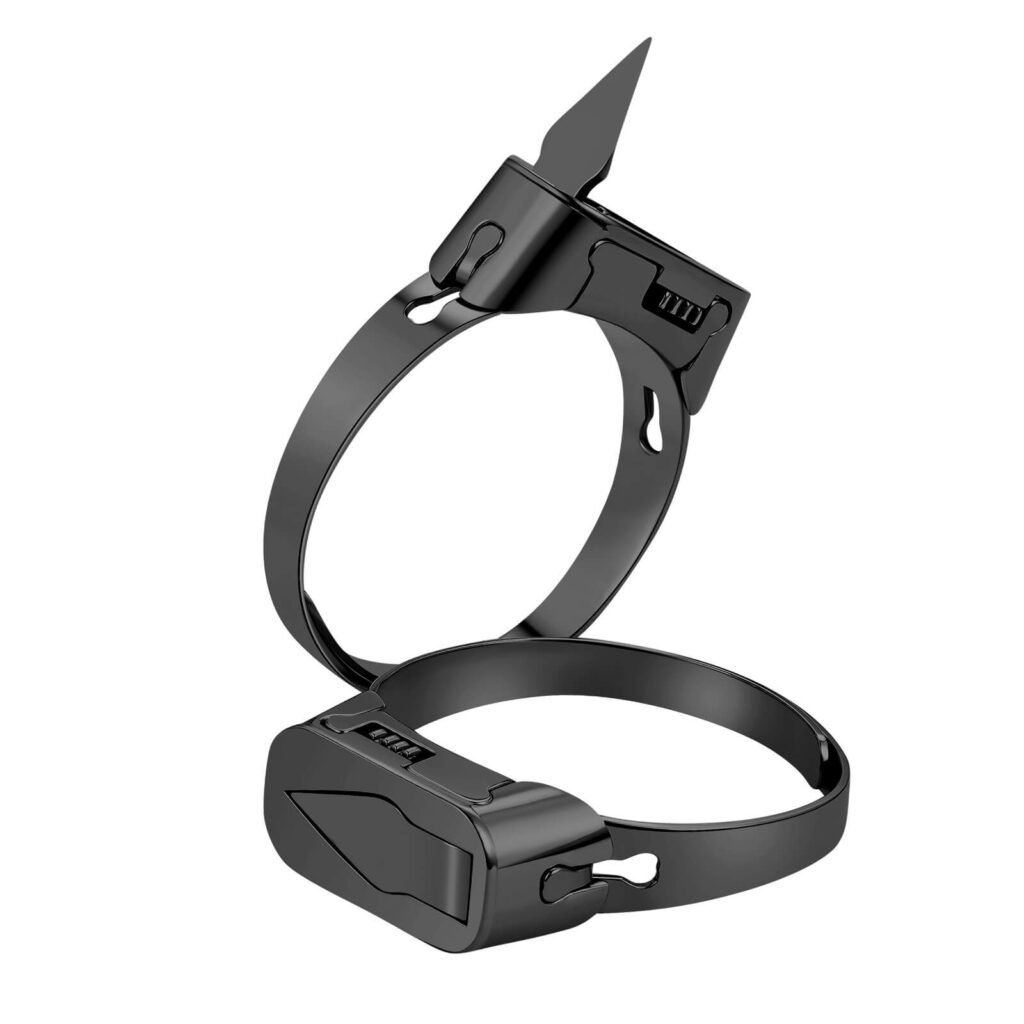
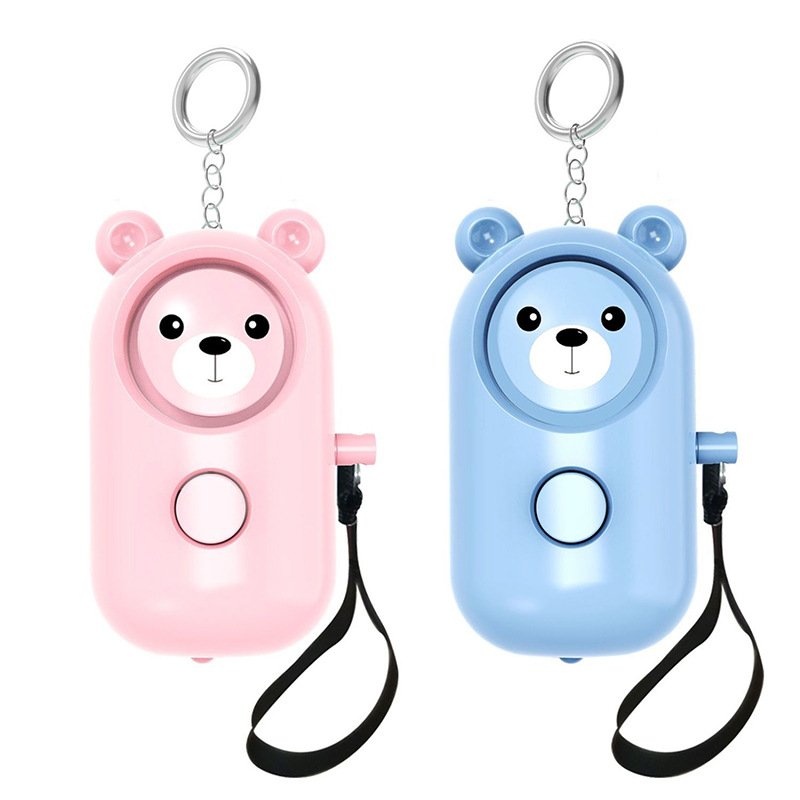
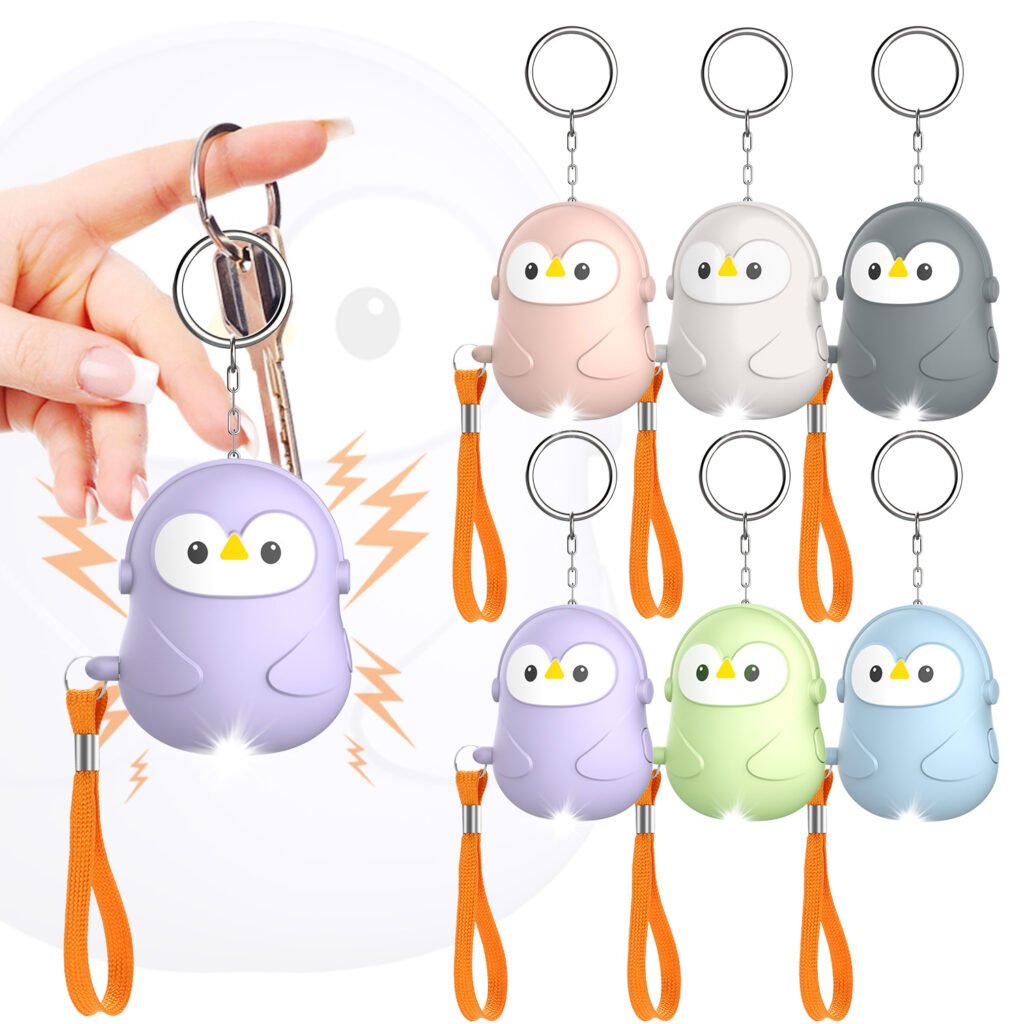
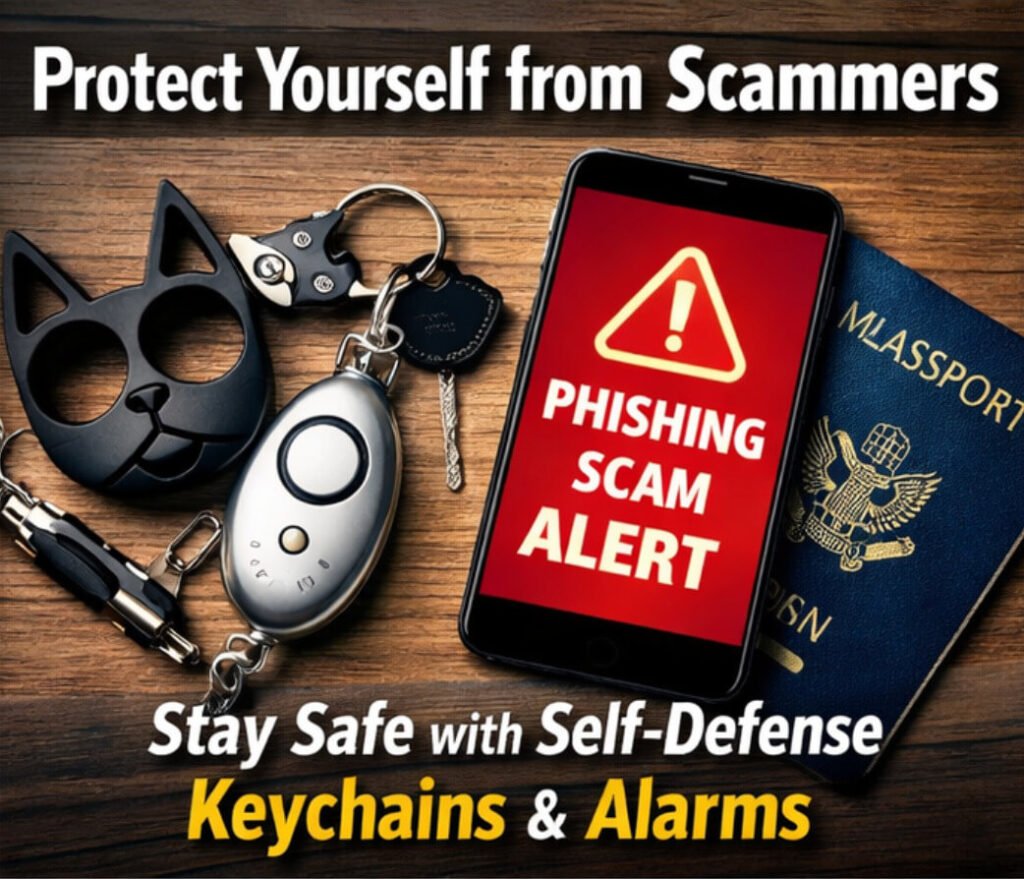
Physical self-defense products aren’t just for protection from physical threats—they can also keep you safe from online dangers. At RingsKnife, we specialize in selling the best self-defense weapons, keychains, and more to help you feel safer in your daily life. Our self-defense keychains and personal alarm keychains offer peace of mind by combining convenience with powerful protection. When you’re feeling vulnerable, a reliable keychain or alarm could be the difference between staying safe and becoming a target.
Whether you’re walking home late at night or just want a sense of security, having a self-defense tool at your side gives you the confidence to face the world without fear. Explore our collection of self-defense keychains here, and find the perfect match for your safety needs.
4. Be Skeptical of Unsolicited Emails and Phone Calls
If you receive an unsolicited email or phone call from someone claiming to be from your bank, a government agency, or another trusted entity, do not engage with them. Scammers often pose as legitimate businesses or individuals to trick you into revealing personal information or transferring money.
Instead of responding, contact the company or agency directly using a phone number or email address from their official website. This will ensure you’re not falling for a scam.
5. Educate Yourself on Common Scams
Awareness is key to avoiding scams. Stay up to date on the latest tactics that scammers use, and familiarize yourself with the common warning signs of fraudulent activity. The more you know about scams, the less likely you are to fall victim to them.
Final Thoughts
Scammers are clever, but with the right precautions, you can protect yourself. Start by securing your online presence, making sure your passwords are strong, and being cautious about what you share on social media. With a little effort, you can stop giving scammers the chance to invade your privacy.
And remember, just as you protect your online identity, always carry a self-defense tool with you, such as a self-defense keychain or personal alarm. Visit RingsKnife for a wide selection of premium self-defense products designed to protect you in real-life situations.
By making smarter choices both online and in the real world, you’ll significantly reduce your chances of falling victim to scams.
Best selling products
-
Black Titanium Steel Defense Ring with Knife
Original price was: $119.98.$89.98Current price is: $89.98. -
Golden Titanium Steel Guarded Ring with Knife
Original price was: $119.98.$89.98Current price is: $89.98. -
Silver Titanium Steel Defender Ring with Knife
Original price was: $119.98.$89.98Current price is: $89.98. -
Stylish Rhinestone Key Knife Keychain
Original price was: $23.78.$17.51Current price is: $17.51. -
Stainless Steel Door Extra Lock for Safety
Original price was: $21.32.$15.99Current price is: $15.99. -
Open Rose Gold Stainless Steel Goguard Ring with Knife
Original price was: $73.30.$54.98Current price is: $54.98. -
Sparkling Rhinestone Kubaton Stick for Self-defense
Original price was: $26.54.$19.98Current price is: $19.98. -
Luxurious Rhinestone Window Breaker Keychain
Original price was: $24.32.$18.23Current price is: $18.23. -
Lady Pepper Spray Personal Defense Weapon
Original price was: $25.03.$18.75Current price is: $18.75. -
Fox Keychain Defense Tool With Sharp Ears
Original price was: $23.37.$17.52Current price is: $17.52. -
Polished Pointed Self Defense Kubaton Keychain
Original price was: $26.54.$19.98Current price is: $19.98. -
Rose Gold Titanium Steel Protection Ring with Knife
Original price was: $119.98.$89.98Current price is: $89.98. -
Open Black Stainless Steel Rings with Knife
Original price was: $73.30.$54.98Current price is: $54.98. -
Shining Silver Self Defense Ring Jewelry
Original price was: $123.98.$92.98Current price is: $92.98. -

Little Bear Large Decibel LED Strobe Light Personal Alarms for Women
$32.96 -

new anti-wolf device, girls’ self-defense artifact, children, students, the elderly, emergency call device, cute keychain
$26.87